




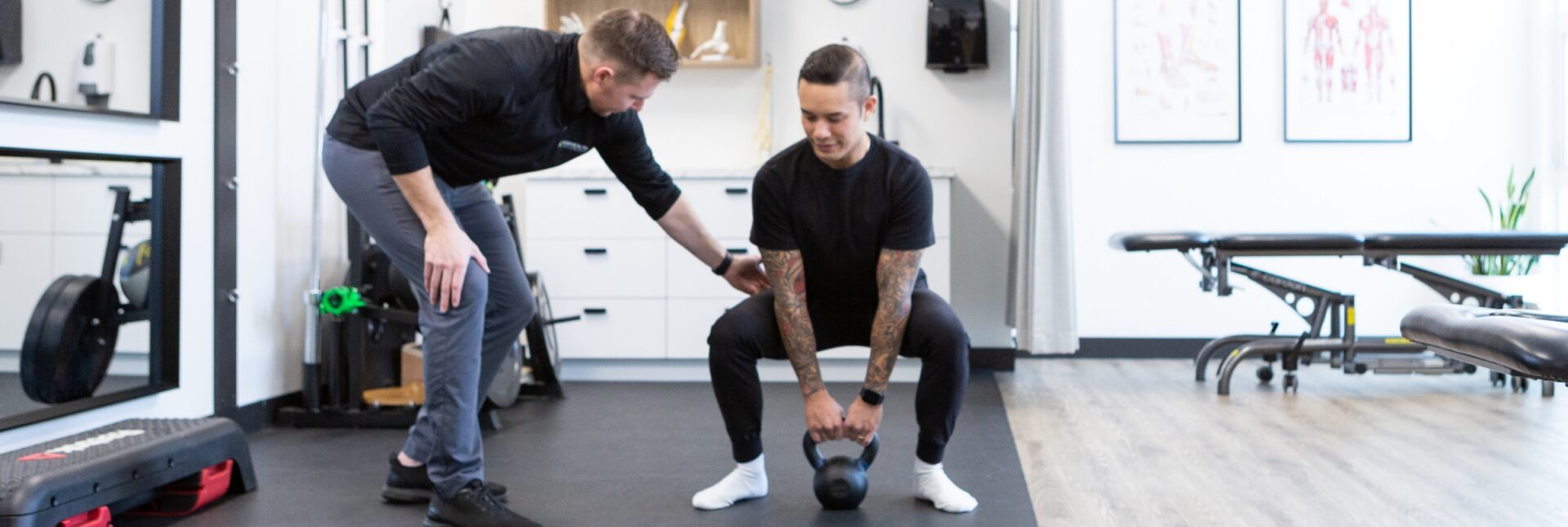
 We’ve all experienced an occasional ache or pain here and there. Maybe your back feels stiff after a long day at your desk, your shoulder aches after working in the yard, or your knees aren’t quite as happy after a weekend hike. In many cases, these aches settle on their own with little time and movement.
But sometimes, those little aches start sticking around or become part of your daily routine. If you’ve caught yourself thinking, “It’s probably nothing,” or “I just need to push through it,” it may be worth taking a closer look.
The good news? You don’t have to wait until you’re in significant pain to check in with a healthcare practitioner. Often, an assessment can provide reassurance, identify contributing factors, and help you stay active doing the things you enjoy.
5 Everyday Signs It Might Be Time to Book an Assessment
1. Getting Out of Bed Feels Stiff Every Morning
It’s common to feel a little stiff when you first wake up, especially after a busy day or a challenging workout. However, if that stiffness happens every morning, takes a long time to ease, or is becoming part of your routine, it may be worth having it assessed.
2. Everyday Tasks Have Become Uncomfortable
Lifting groceries, carrying laundry, reaching into a cupboard, or picking up your child shouldn’t regularly cause discomfort. If you’re modifying how you move or avoiding certain tasks because of pain, your body may be compensating for an underlying issue.
3. Sitting or Driving Leaves You Sore
Many people spend hours sitting each day, whether at work, in the car, or at home. If you consistently notice pain or stiffness after sitting for 30 minutes or longer, and it doesn’t improve with regular movement, it could be a sign that your body would benefit from an assessment.
4. You’re Cutting Back on Activities You Enjoy
Whether it’s running, golfing, gardening, strength training, or simply walking the dog, pain shouldn’t stop you from participating in the activities you love. If you’ve started saying “no” to hobbies because you’re worried about discomfort, it’s worth finding out why.
5. The Same Ache Keeps Coming Back
Does your neck tighten up every few weeks? Does your shoulder bother you after every workout? Recurring pain can sometimes indicate that the underlying cause hasn’t fully resolved. Understanding what’s contributing to those repeated flare-ups can help you manage them more effectively.
Frequently Asked Questions
How do I know if my aches and pains are “normal”?
It’s normal to experience some soreness after trying a new activity, increasing your exercise, or spending more time on your feet than usual. This type of soreness often improves within a few days and gradually settles on its own.
Pain that lingers, keeps returning, or begins affecting your everyday activities deserves a little more attention. If you’re finding it difficult to sit comfortably at work, struggling to keep up with activities you enjoy, or waking up feeling stiff most mornings, it may be helpful to speak with a healthcare practitioner.
Rather than asking whether pain is “normal,” it can be more helpful to ask whether it’s affecting your quality of life or limiting what you want to do.
When should I stop trying to “push through” discomfort?
Many people try to “wait it out,” and in some situations that’s completely reasonable. Mild soreness after exercise, for example, often improves with time.
If discomfort is changing the way you move, causing you to avoid activities, or continuing despite rest or self-care, it may be time for a professional assessment. Sometimes our bodies adapt by compensating for pain, which can place extra stress on other muscles and joints.
An assessment [https://peakhealth.au1.cliniko.com/bookings] doesn’t always mean you’ll need ongoing treatment; it can simply help you better understand what’s contributing to your symptoms and what steps may help.
What are some common signs that I should book an assessment?

You don’t need to be in severe pain before seeking help. Some common reasons people decide to book an appointment include:
- Pain lasting longer than one to two weeks.
- Aches or stiffness that keeps returning.
- Difficulty sitting, standing, walking, or sleeping comfortably.
- Pain during everyday tasks like lifting, reaching, or bending.
- Discomfort that’s affecting work, exercise, hobbies, or family activities.
- Feeling like you’re constantly managing the same issue instead of resolving it.
An assessment can help identify possible contributing factors and provide guidance on the best next steps based on your individual needs and goals.
Can small aches become bigger injuries if ignored?
In some cases, they can. Small aches don’t always indicate a serious injury, but they can be your body’s way of letting you know that something isn’t moving or functioning as efficiently as it could.
When discomfort persists, it’s common for people to unconsciously change how they move to avoid pain. Over time, those movement changes may place additional stress on other muscles or joints, which can sometimes contribute to ongoing symptoms.
That doesn’t mean every ache requires immediate treatment. However, if pain isn’t improving, keeps returning, or is interfering with your daily life, an assessment can help determine what’s going on and whether any intervention would be beneficial.
The Bottom Line
You don’t have to wait until the pain is severe before seeking help. Sometimes, a simple assessment is all it takes to better understand what’s happening and learn strategies to keep you moving comfortably.
Whether you’re dealing with recurring stiffness, discomfort during everyday activities, or pain that’s stopping you from doing what you love, early guidance can often help you get back on track with confidence.
If you’re unsure whether your symptoms warrant an assessment, our team is happy to help you determine the next best step. Book your appointment HERE [https://peakhealth.au1.cliniko.com/bookings]
Disclaimer
This blog is intended for educational purposes only and should not be considered medical advice. Every individual and injury is different. If you’re experiencing persistent pain, worsening symptoms, significant loss of function, or have concerns about your health, we recommend booking an assessment with a qualified healthcare professional to determine the most appropriate care for your specific situation.