


Peak Health Calgary, Author at Peak Health & Performance - Page 3 of 3

Peak Prenatal Program

pregnant woman holding stomach

Written by Helen Lo, Physiotherapist 

Are you or is someone you know pregnant? If so, we have some exciting news to share!

Introducing… Peak Prenatal, a comprehensive Peak Program designed to empower women to conquer all stages of pregnancy from conception to delivery!

HelenMy name is Helen, and I am a pelvic floor physiotherapist at Peak Health Kids. Over the past several years I have worked with a number of women through pregnancy and a common theme I came across was how little people truly know about this process and how unsupported they feel throughout it.

From this came the idea of Peak Prenatal, a community for educating and preparing parents for what to expect with pregnancy, labour, delivery, and everything in between.

At Peak Prenatal, we understand that pregnancy is a time of great physical and emotional changes. That’s why we offer a comprehensive program designed to empower women to conquer all stages of pregnancy from conception to delivery. 

Our prenatal physiotherapy services and pelvic floor therapy in Calgary are tailored to meet the unique needs of each woman throughout her journey.  

Peak Prenatal will give you an all-access pass to: 

– An initial 60 minute prenatal physiotherapy assessment and a 30 minute prenatal follow-up session to assess your pelvic floor issues, core, address pain, and prepare you for delivery

– A 45 minute re-evaluation after delivery to reassess your pelvic floor and determine a plan for your goals postpartum

– Four group education sessions and a take-home booklet filled with all you need to help you on your pregnancy journey

– Access to a private community forum to share common questions, concerns, tips, milestones, grief, and everything from prenatal to postpartum

– Access to a specialty referral network of massage therapists, chiropractors, trainers, naturopaths

– Access to a private library of YouTube videos demonstrating all the exercises that will be recommended 


Will I need more than an assessment and follow-up before I give birth? 

Potentially! If you struggle with engaging your pelvic floor muscles or would like some extra support managing pain through your pregnancy, you may benefit from additional sessions before delivery. 

But don’t worry, with each assessment, you will have the opportunity to discuss your concerns and your goals with your pelvic floor therapist and come up with a plan that will work for you. 


What will the education sessions include? 

Education sessions will be 1 hour in length and offered in-person at Peak Health Kids in the evening. Each session is led by a pelvic health physiotherapist. 

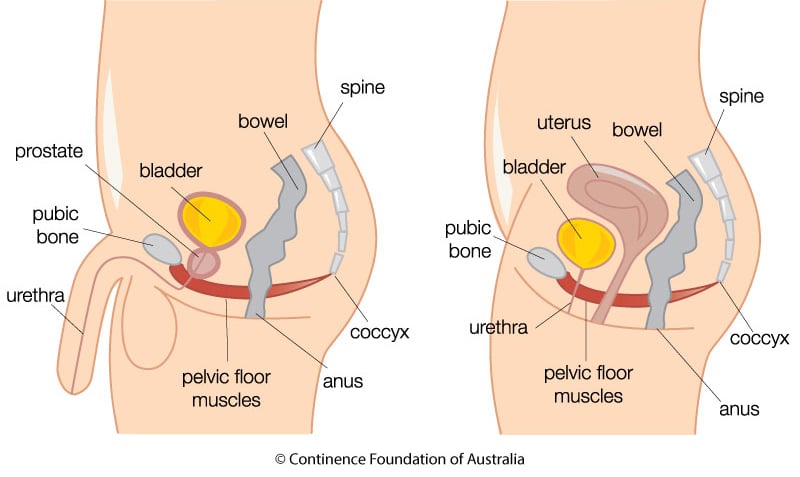
Session 1: This introduction to pelvic health physiotherapy will include information about the pelvic floor function and anatomy, pelvic muscles, changes that occur during pregnancy, the basics of pelvic floor engagement, normal urinary and bowel frequency, and reviewing common myths associated with pregnancy. 

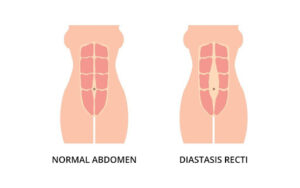
Session 2: We will cover common pregnancy concerns such as pelvic pain, pelvic floor dysfunction, abdominal separation (rectus diastasis), urinary incontinence, exercise and physical therapy. 

Session 3: We will start to discuss labour and delivery, pelvic floor relaxation, and the perineal massage. 

Session 4 will review all things after delivery such as when to see your pelvic floor therapist, exercise recommendations, bladder and bowel concerns, returning to sexual intercourse, C-section specific considerations, prolapse and pessaries, and what to consider with baby! 


Can I use my health benefits to pay for this? 

Absolutely! You will be able to bill these sessions through physiotherapy or any additional health spending account you have access to. Our team will be happy to help you navigate this. 


Next steps 

The prenatal period can be an exciting time but also can be a time filled with a lot of uncertainty. Peak Prenatal is a program designed to help ease your concerns, answer your questions, and provide a community to support you throughout your pregnancy. Book your discovery call today to speak with Helen and learn more about Peak Prenatal.


Pregnancy-Related Pelvic Girdle Pain

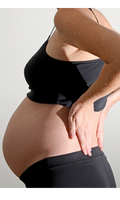
woman holding stomach pelvic pain

Written by Helen Lo, Physiotherapist

What is it Related Pelvic Girdle Pain? 

Pregnancy-related pelvic girdle pain is a specific category of pelvic pain that impacts women during pregnancy. 

It is characterized by pain in the lower back, hips, and/or pubic area that can be exacerbated by certain activities such as walking, climbing stairs, or even just standing for long periods of time. PGP can have a significant impact on quality of life.
The cause of this pain is multi-factorial and is often influenced by biopsychosocial factors. This is essentially the fancy name for any pelvic, hip, and/or low back pain during pregnancy!

How Common is This?

It is reported that between 25-65% of women experience pelvic girdle pain during pregnancy! It is most common for this pain to develop during weeks 14-30 of gestation. 

Risk factors for developing PRPGP

There are a  wide range of risk factors for PRPGP, including:

– Previous pregnancy
– Previous history of low back pain
– Increased BMI
– Smoking
– Work dissatisfaction
– Previous trauma
– A lack of belief of improvement

A Change in Perspective

Previously, the messaging delivered was that the hormones released during pregnancy caused widespread relaxation of our ligaments leading to instability of our joints and thus causing pain. 

Research now is showing that the hormones don’t cause widespread instability and instead increase the sensitivity of our tissues causing the sensation of pain. It is important to understand that pain is an experience, differs from person to person, and can occur in the absence of any structural tissue changes. 

How Can Pelvic Floor Physiotherapy Help?

Although common, we don’t want pelvic girdle pain to dictate your pregnancy and slow you down in any way. 

Pelvic floor physiotherapy is an approach to treatment that can target some of the root causes of this pain and help facilitate an action plan to make you feel better.

Pelvic floor physical therapy (PGP) is a specialized form of physical therapy that focuses on the muscles, ligaments, and connective tissues in the pelvic region. 

It can be used to treat a variety of conditions, including urinary and fecal incontinence, pelvic organ prolapse, chronic pelvic pain, sexual dysfunction, and postpartum rehabilitation.

Physiotherapy treatment could include:

1. Manual therapy including joint mobilization and/or soft tissue release both internally and externally
2. Introducing pain free movement
3. Taping for the low back or belly for increased support
4. Support belts

Consider Trying This: 

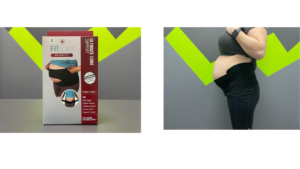
The Fitsplint 

This product is a great way to help relieve lower back pain, pelvic pain, or bladder pressure. It is lightweight, breathable, and can be used during exercise! You can find the fitsplint at any Peak Health location and a therapist would be more than happy to help fit you for the correct size. 

Don’t Let Pain During Pregnancy Stop You! 

Pain is one of the most common symptoms reported during pregnancy but it doesn’t have to be. With the help of a pelvic floor physiotherapist, you can learn many strategies to help reduce your pain and remain active throughout your pregnancy. Book your discovery call today to learn more about how Peak Health physiotherapy in Calgary can help. 

Resources

  1. Clinton, S. C., Newell, A., Downey, P. A., & Ferreira, K. (2017). Pelvic girdle pain in the antepartum population: Physical therapy clinical practice guidelines linked to the International Classification of functioning, disability, and health from the section on Women’s health and the orthopaedic section of the American Physical Therapy Association. Journal of Women’s Health Physical Therapy, 41(2), 102–125. https://doi.org/10.1097/jwh.0000000000000081
  2. https://www.recorefitness.com/maternity-fitsplint

Guidelines for Physical Activity During Pregnancy

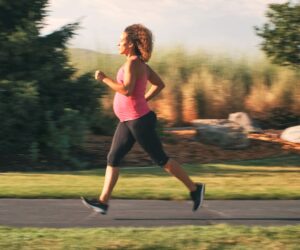
pregnant woman walking

Written by Helen Lo, Physiotherapist

For anyone out there wondering if it is safe to exercise during pregnancy, let me be the first to tell you YES, and it’s encouraged! 
Traditionally, medical advice during pregnancy included reducing exertion and avoiding strength training out of fear of causing potential harm to the baby and injury to Mom. 

New research1,2 has proved the complete opposite; showing that there are actually a wide range of benefits to exercising during pregnancy including:

1. Improved aerobic and muscular fitness
2. Promotion of appropriate maternal weight gain
3. Facilitating labour
4. Preventing gestational glucose intolerance
5. Preventing pregnancy-induced hypertension

In fact, not exercising during pregnancy has been associated with risk of:

1. Loss of muscular and cardiovascular fitness
2. Excessive maternal weight gain
3. Increased risk of gestational diabetes
4. Increased risk of pregnancy-induced hypertension
5. Pelvic floor dysfunction
6. Varicose veins
7. Deep vein thrombosis
8. Higher incidences of low back pain
9. Poor psychological adjustment to the physical changes of pregnancy

Guidelines for Physical Activity During Pregnancy 

1. All women that are deemed medically safe to exercise should be physically active throughout pregnancy.
2. Physical activity should be accumulated over a minimum of 3 days per week, however it’s encouraged to be active everyday.
3. Incorporate a variety of aerobic exercise, resistance training, and yoga or gentle stretching for maximum benefit.
4. Pelvic floor muscle training on a daily basis to reduce the risk of urinary incontinence.

The Goal of Exercise During Pregnancy 

Keep in mind, the goal with exercise during pregnancy is to maintain your current level of physical health. Avoid trying to reach peak fitness or train for an athletic competition. If you have never exercised before, a great place to start is 30 minutes of walking daily. 

Below you will find some recommended exercises for pregnancy. The parameters are generalized, and should only be used as a guide. If you are uncertain about how these exercises may work for you, please call to chat with our Peak Health physiotherapist and we can get you on the right track! 

Please speak with your doctor to obtain medical clearance before participating in any physical activity. 

Try These 3 Exercises to Get Moving 

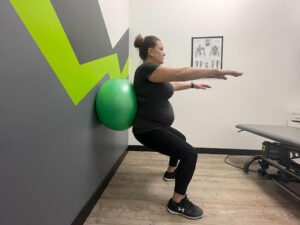
Squat with a Ball 

Starting position: Place the physio ball against the wall and stand with your back supported by the ball. 

Execution: Squat down moving with the ball, return to standing position. 

Parameters: Sets: 1-2 sets, Reps: 10-12


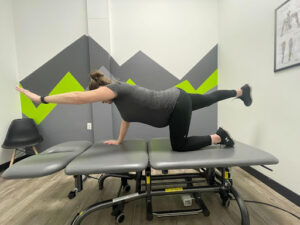
Birddog

Starting position: Start in a crawling position on your hands and knees, ensure hips and shoulders are at 90°. 

Execution: At the same time, lift one arm straight out front and lift the opposite leg straight back, return to the starting position and repeat with the opposite arm and leg. 

Parameters: Sets: 1-2 sets, Reps: 6-8 per side


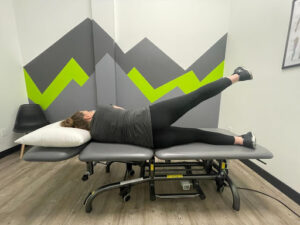
Leg lifts

Starting position: Sidelying. 

Execution: Lift the top leg up towards the ceiling, hold for 2-3 seconds, lower leg back down.

Parameters: Sets: 1-2 sets, Reps: 8-10 per side

Next Steps 

Exercise during pregnancy is safe, recommended, and with the help of a pelvic floor physiotherapist, can ensure maintenance of your current fitness level and overall health. 

Book your discovery call today to see how pelvic health physiotherapy can support you throughout your pregnancy!

References 

  1. Barakat, R., Refoyo, I., Coteron, J., & Franco, E. (2019). Exercise during pregnancy has a preventative effect on excessive maternal weight gain and gestational diabetes. A randomized controlled trial. Brazilian journal of physical therapy, 23(2), 148-155.
  2. Vargas-Terrones, M., Nagpal, T. S., & Barakat, R. (2019). Impact of exercise during pregnancy on gestational weight gain and birth weight: an overview. Brazilian journal of physical therapy, 23(2), 164-169.
  3. Clinton, S. C., Newell, A., Downey, P. A., & Ferreira, K. (2017). Pelvic girdle pain in the antepartum population: physical therapy clinical practice guidelines linked to the international classification of functioning, disability, and health from the Section on Women’s Health and the Orthopaedic Section of the American Physical Therapy Association. Journal of Women’s Health Physical Therapy, 41(2), 102-125.

Pelvic Floor Physiotherapy: What Is It and Who Can It Help?

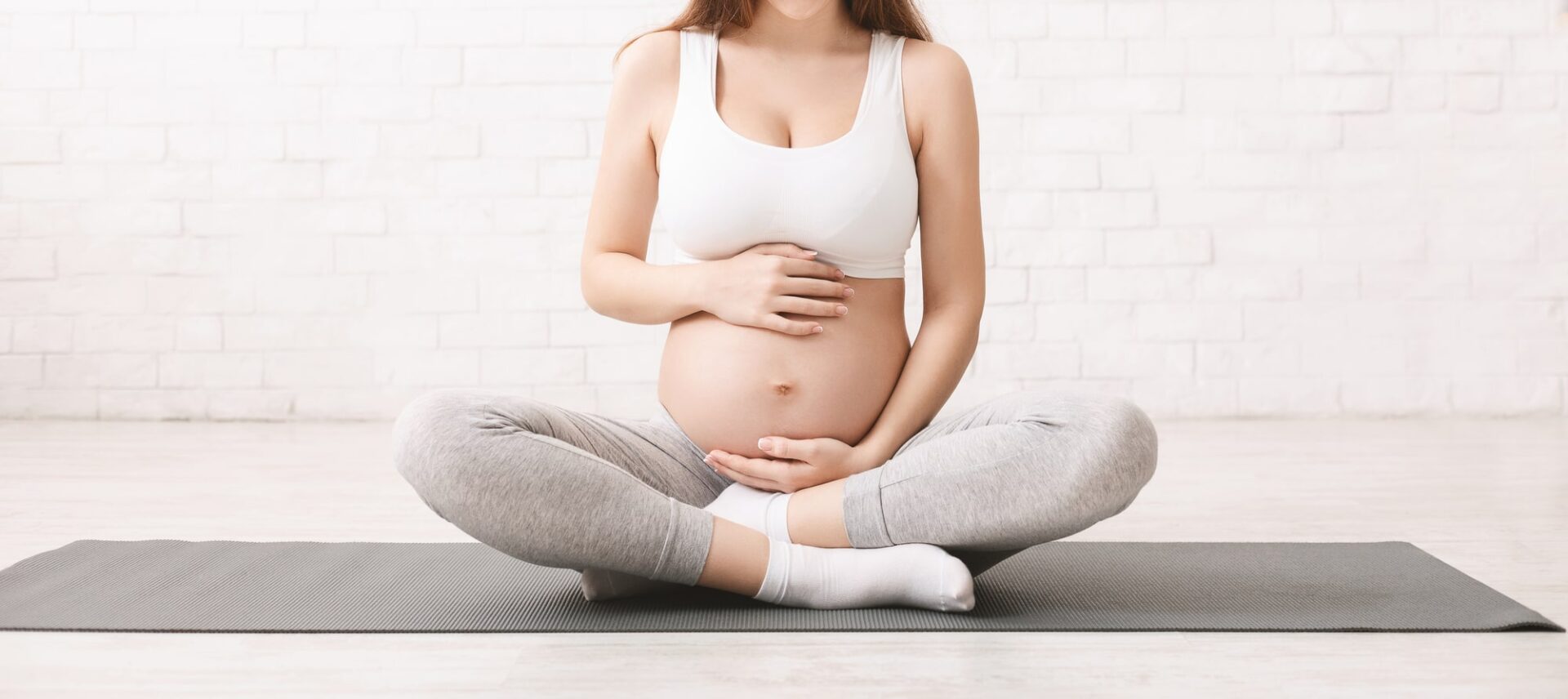
pregnant woman sitting

Written by Helen Lo, Physiotherapist


Contrary to popular belief, good pelvic floor health is a lot more than “just doing kegels”. Sometimes, it is even the opposite and there is a large focus on pelvic floor relaxation. 

What is Pelvic Floor Physiotherapy?

Pelvic floor physiotherapy is a specialized area of physiotherapy that requires additional training to assess the strength, tone, and function of the pelvic floor through internal and external examinations. 

The pelvic floor muscles collectively form a bowl at the base of your pelvis. These muscles work together to support your organs, control continence, provide stability for your low back and pelvis, move fluid through the pelvic girdle, and increase blood flow to the organs that control erection and orgasm. 

Key Terms

Stress Urinary Incontinence: Uncontrolled urine leakage when you cough, sneeze, or jump

Overactive Bladder: The feeling of a frequent urge to empty your bladder

Pelvic Organ Prolapse: The feeling of heaviness or pressure in the vagina due to 1 or more organs dropping down as the muscles and tissues in the pelvic region are no longer able to support them

types-of-pelvic-organ-prolapse

Dyspareunia: Pain with intercourse either before, during, or after

Rectus Diastasis: An observable bulge through the abdomen due to the separation of the “6-pack” abdominal muscles that can commonly occur during during pregnancy or postpartum.

Would You Need Pelvic Floor Physio?

1. Do you struggle with uncontrolled leakage of urine or stool (incontinence)?
2. Are you constantly feeling the urge to pee (urgency)?
3. Do you feel a heaviness or pressure in your pelvic region?
4. Do you experience pelvic pain, low back, hip pain, or painful intercourse (dyspareunia)?
5. Have you received a diagnosis or experienced symptoms of endometriosis?
6. Did your abdominals separate (rectus diastasis) during or after pregnancy?
7. Do you experience pain when passing stool or infrequent bowel movements (constipation)?
8. Does your child wet the bed?
9. Prenatal care
10. Postpartum care

If you answered yes to any of these questions, or if you fall into the pre or post natal window, you are a perfect candidate for pelvic floor physiotherapy! Although many of these symptoms are very common in the general population, it does not mean it’s normal or that you have to settle for these symptoms. Pelvic floor physio can help! 

Who Should See a Pelvic Floor PhysiotherapistSo…Who Should See a Pelvic Floor Physiotherapist? 

The short answer is anyone! A Pelvic Floor Physiotherapist can help whether you are pregnant with your first child, a competitive olympic weightlifter experiencing leakage with each lift, a child that is missing sleepovers due to wetting the bed, or someone experiencing pain with intercourse. 

What to Expect at Your First Appointment:

During your first visit, expect a comprehensive 60 minute 1-on1 assessment between you and your therapist. Your pelvic floor therapist will start by taking the time to listen to your concerns, medical history, and goals of treatment. Following this, you will be taken through the hands-on portion of the assessment which could include an external and internal examination (if deemed appropriate and agreed upon by you). 

Although an internal examination (vaginal or rectal) is considered the “gold standard” to assess the pelvic floor, your therapist will meet you at your comfort level and walk you through each stage of the assessment. Don’t worry if you choose not to have an internal examination, there is still plenty of valuable information that can be gained from an external assessment! There are even times when an internal exam is not recommended such as when working with kids. 

At the end of the first appointment, your therapist will review their findings and provide you with a detailed plan of action tailored to you and your goals.

FAQ

What does an internal pelvic exam entail?

An internal exam consists of a digital exam conducted either vaginally or rectally.

Is it safe to see a pelvic floor physiotherapist while pregnant?

Yes, we actually recommend all women come in for an assessment after their 1st trimester. This helps us to obtain a baseline of strength and can help guide you through a comfortable pregnancy. If your doctor or midwife has advised you against sexual intercourse, we will proceed without conducting an internal examination. 

Can I still come to my appointment if I am on my period?

Yes! If, however, you are uncomfortable with coming in during this time, you can reschedule your appointment. 

How soon after delivery should I come to pelvic floor physiotherapy?

6 weeks after delivery. We usually recommend coming in for an internal exam following your 6 week check-up with your doctor or midwife. However, if you are experiencing significant pain, bowel concerns, and/or bladder or urinary dysfunction, feel free to come in sooner. 

Don’t Let Your Pelvic Floor Limit You!

Many people may tell you your pelvic floor symptoms are normal but they are not! Your pelvic floor physiotherapist is here to prove to you that although leaking urine and prolapse may be common pelvic floor concerns, there is hope and it can get better with professional help. Click below to book an appointment and take back control of your pelvic floor!